Quick answer: a reverse-cycle air conditioner heats as well as cools by running its refrigerant in reverse. It is usually far cheaper to run than plug-in electric heaters, and a ducted or split system you already have for summer may already do the job. Western Sydney and the Hills get cold winter mornings, so heating capacity matters as much as cooling.
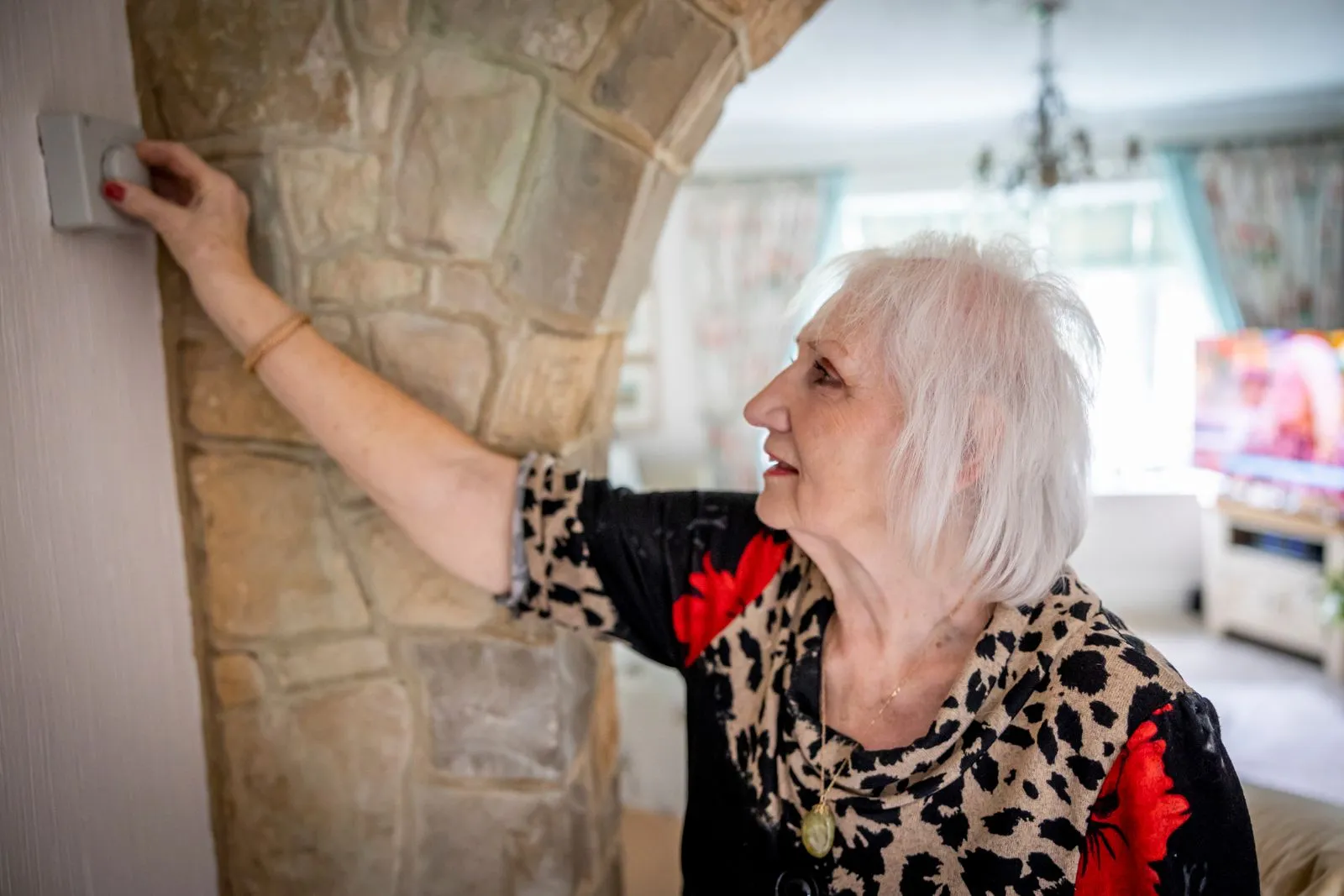
How reverse-cycle heating works
In cooling mode the system pulls heat out of the house and dumps it outside. In heating mode it does the opposite, drawing heat from the outside air, even on a cold morning, and releasing it indoors. Because it moves heat rather than making it from scratch, it gives out more heat energy than the electricity it uses.
Why it matters out west
Inland suburbs get much colder nights than the coast. In July the average overnight low is 5.5°C at Penrith Lakes and 3.8°C at Richmond, against 8.1°C at Sydney Observatory Hill, and older homes lose heat quickly through ceilings and windows. If you mainly use your system for heating, tell the installer, because the heating capacity (in kW) can differ from the cooling figure on the same unit.
Ways to keep heating costs down
- Set 18 to 20°C rather than 24°C.
- Close doors and use zones so you only heat the rooms in use.
- Clean filters every few months. Dust cuts airflow in heating mode too.
- Use a timer to warm the house just before you get up, rather than running it all night.
- Seal draughts and check ceiling insulation. The cheapest heat is the heat you keep.
For worked figures on what a reverse-cycle system costs to run in Western Sydney, see our guide to air conditioning running costs in Western Sydney.
Help with the cost in NSW
The NSW Government offers an upfront discount through the Energy Savings Scheme when a participating installer fits an efficient system. Indicative amounts are up to $550 for a new 6 kW system and up to $560 for replacing an old one with a 6 kW split, and the installer applies it on the quote. The Government also lists Home Energy Saver zero-interest loans of up to $15,000 for eligible homeowners and landlords with household income up to $210,000. Check the current rules before you rely on either.
Who does the work
Cozy Climates is a referral service. We don’t install or repair anything ourselves. Every job goes to an installer who holds a NSW licence for air conditioning and refrigeration work, which the NSW Government says is required to install, service or maintain any system other than a plug-in portable unit. Technicians handling refrigerant also need an Australian Refrigeration Council licence.
We’ll show the installer’s business name and licence number here once a licensed local installer partners with us.
You can check any NSW contractor licence yourself on the NSW Government licence check. It takes a minute and is worth doing before you sign anything.
Common questions
Is reverse-cycle air conditioning good for heating?
Yes. A reverse-cycle system moves heat from outside into the house, so it usually delivers several units of heat for each unit of electricity it uses. That makes it one of the cheapest ways to heat a home with electricity.
What temperature should I set for heating?
Around 18 to 20°C is comfortable for most people in winter. Each extra degree adds to running costs.
Can I get help paying for a reverse-cycle system in NSW?
The NSW Government lists two options: an upfront Energy Savings Scheme discount from participating installers, and Home Energy Saver zero-interest loans of up to $15,000 for eligible homeowners and landlords. Check eligibility on the NSW Climate and Energy Action website.
Should heating outlets be in the floor or ceiling?
Warm air rises, so floor outlets can feel better for heating, but most Western Sydney ducted systems use ceiling outlets because they suit cooling and are easier to install. Your installer can advise for your home.
Get a heating quote
Tell us your suburb and what you need. We pass your request to a licensed local installer, who contacts you to arrange a written quote. It costs you nothing.
Last checked 15 November 2026. Scheme details change, so check the NSW Government pages linked above.