Quick answer: Castle Hill is mostly larger detached houses with owners rather than renters, which suits zoned ducted reverse-cycle. For two-storey homes the key question is whether one system can reach both levels or whether you need one per floor. Apartments near the town centre usually go with split systems.
What homes in Castle Hill look like
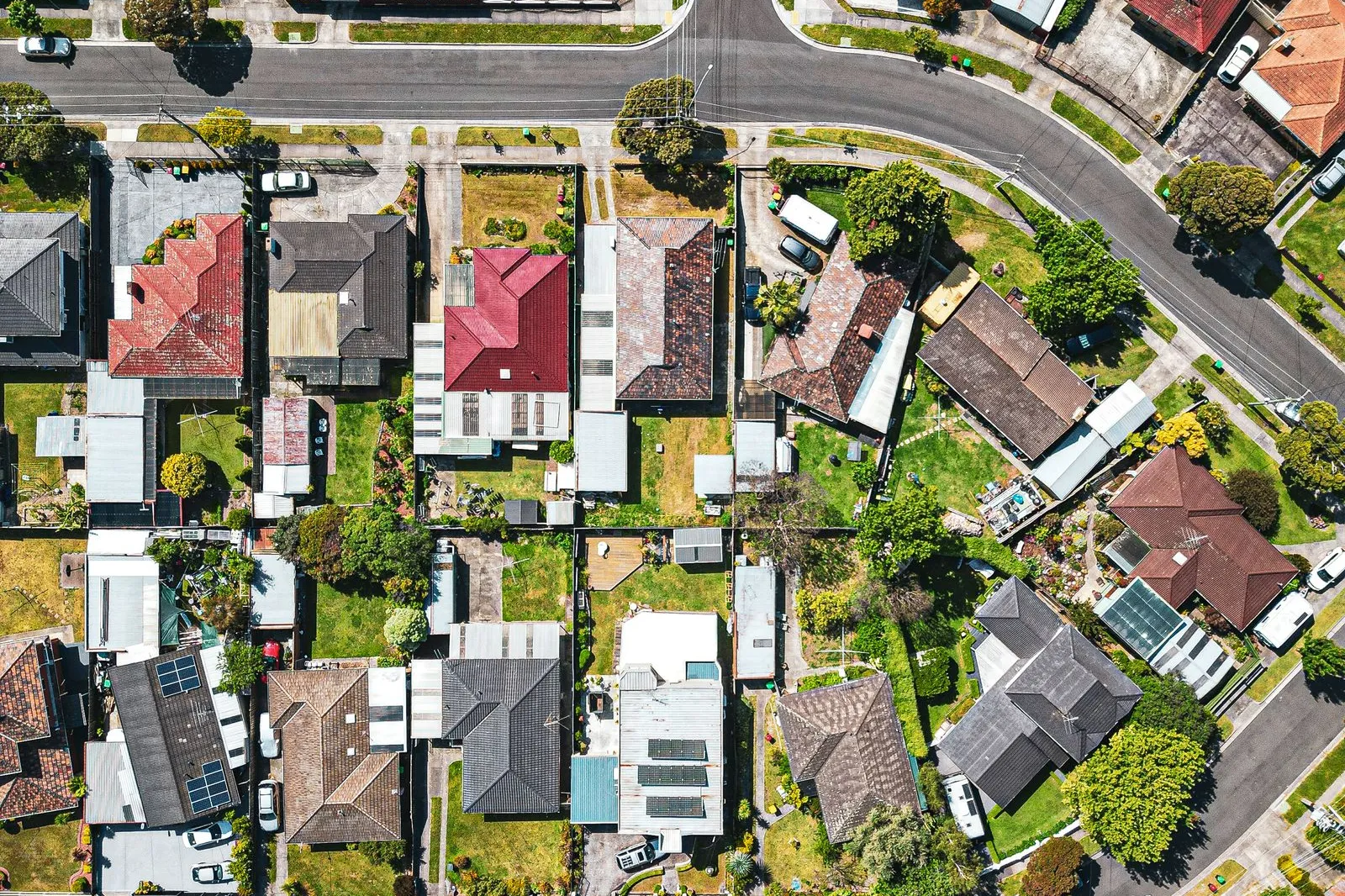
The 2021 Census counted about 13,200 occupied homes in Castle Hill. Around 74% were separate houses, 11% townhouses or semis and 15% flats or apartments. About 72% of households owned their home outright or with a mortgage, well above the NSW figure. Owners planning to stay put are more likely to choose a whole-home system than renters are.
Ducted in two-storey Hills homes
- One system, both floors: ducts drop to the ground floor through wall cavities, robes or bulkheads. Works well when the layout allows it.
- Two systems: one for each level. Costs more up front but gives better control and a backup if one fails.
- Ducted upstairs, splits downstairs: a common middle path where ground-floor duct runs are hard.
- Zoning: at least separate living and sleeping zones, so you are not cooling empty bedrooms all afternoon.
For a sense of price, a 2026 Sydney guide from KYNEX lists $17,000 to $25,000 or more for large or double-storey ducted installs. Get written quotes that spell out capacity, zones and how ducts will reach each floor.
Heating matters here too
Castle Hill sits higher than much of Western Sydney and winter mornings can be cold. If you plan to rely on reverse-cycle for heating, mention it at the quote stage so the installer checks heating output and outlet placement. Our heating guide covers running costs and NSW help with the upfront cost. For hourly and summer figures, see our guide to air conditioning running costs in Western Sydney.
Apartments around the town centre
Newer apartment buildings near the metro station usually rely on split systems. Strata approval is normally needed before any outdoor unit is added or moved, so check with your strata manager first. See the split system guide.
Who does the work
Cozy Climates is a referral service. We don’t install or repair anything ourselves. Every job goes to an installer who holds a NSW licence for air conditioning and refrigeration work, which the NSW Government says is required to install, service or maintain any system other than a plug-in portable unit. Technicians handling refrigerant also need an Australian Refrigeration Council licence.
We’ll show the installer’s business name and licence number here once a licensed local installer partners with us.
You can check any NSW contractor licence yourself on the NSW Government licence check. It takes a minute and is worth doing before you sign anything.
Common questions
Is ducted air conditioning worth it in Castle Hill?
For many Castle Hill houses, yes. Around three-quarters of homes are separate houses, many large and double-storey, and zoned ducted lets you cool or heat only the floors and rooms in use.
Do I need two ducted systems for a two-storey house?
Not always. Some homes run one larger system with ducts to both levels through wall cavities or bulkheads. Others are better with one system per floor. An installer needs to see the roof and layout to say.
Does Castle Hill need heating as much as cooling?
The Hills can be cold on winter mornings, so many owners use reverse-cycle for heating as often as cooling. Ask the installer to confirm the heating capacity, not just the cooling figure.
Which suburbs near Castle Hill do you cover?
Castle Hill, Baulkham Hills, Bella Vista, Norwest, Kellyville, Rouse Hill, Cherrybrook, West Pennant Hills and nearby suburbs.
Get a quote in Castle Hill
Tell us your suburb and what you need. We pass your request to a licensed local installer, who contacts you to arrange a written quote. It costs you nothing.
Last checked 15 November 2026. Census figures are from 2021, the latest available.